Introduction
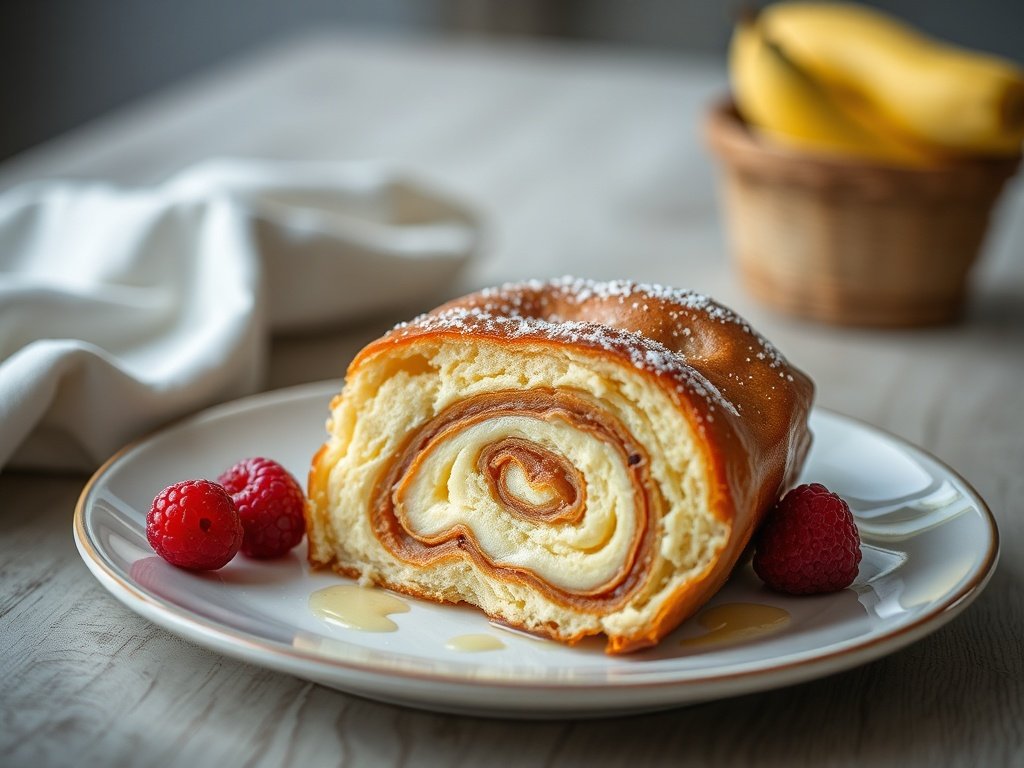
Babka is a beloved Polish dessert, especially during Easter, known for its rich, brioche-like texture and sweet flavors. The Polish Vanilla Babka, in particular, stands out with its moist, tender crumb and the distinctive flavor of high-quality vanilla, often enhanced with citrus zest. This traditional cake is a staple in Polish households, symbolizing heritage and home baking. The word “babka” itself means “grandmother,” reflecting the role of grandmothers in passing down recipes through generations. Unlike the Jewish chocolate babka or the non-yeast sponge cake babka (Babka Piaskowa), Polish Vanilla Babka is an enriched yeast cake that requires patience and skill but rewards with a delightful, festive dessert perfect for special occasions.
The cultural significance of babka in Poland is deeply rooted in Easter traditions. It is one of the classic items included in the basket of food blessed on Holy Saturday, known as Święconka. Every household in Poland will typically bake a babka before Easter, making it a cherished part of the holiday celebrations. The rich, brioche-like dough is a result of using milk, eggs, and butter, which gives it a tender and moist texture. The babka is traditionally baked in a bundt or tall, fluted pan to achieve its characteristic shape and even baking.
What makes Polish Vanilla Babka special is its combination of flavors and textures. The vanilla flavor is the signature note, often complemented by citrus zest or the occasional addition of raisins soaked in rum for extra depth. The cake is finished with a simple glaze made from powdered sugar, lemon juice, and water, or sometimes just dusted with powdered sugar for a more rustic look. This enriched yeast cake requires two rises, making it a longer but rewarding project for both novice and experienced bakers.
Nutritional Information
Per serving (approximate values, based on a recipe that yields 8-10 slices):
- Calories: 350
- Protein: 5g
- Carbohydrates: 45g
- Fat: 20g
- Fiber: 2g
- Sodium: 200mg
Ingredients
- 1 1/2 cups (190g) all-purpose flour
- 1/2 teaspoon active dry yeast
- 1/4 cup (50g) granulated sugar
- 1/2 cup (120ml) whole milk, lukewarm
- 3 large eggs, at room temperature
- 2 tablespoons (30g) unsalted butter, softened
- 1 teaspoon high-quality vanilla extract
- Optional: 1 tablespoon lemon or orange zest, 1/2 cup raisins soaked in rum or brandy
- For glaze: 1 cup (200g) powdered sugar, 1 tablespoon lemon juice
Instructions
- Start by activating the yeast: In a small bowl, combine the lukewarm milk, yeast, and a pinch of sugar. Stir gently to dissolve the yeast, then let it sit for about 5-10 minutes until it becomes frothy and bubbly.
- In a large mixing bowl, combine the flour, remaining sugar, and salt. Whisk to mix well.
- Add the eggs one at a time into the dry ingredients, mixing until each egg is fully incorporated before adding the next. Use a stand mixer if possible for easier mixing.
- Gradually add the softened butter, mixing until the dough is smooth and elastic.
- Add the vanilla extract and mix well.
- Gradually pour in the yeast mixture and mix until a smooth dough forms.
- Knead the dough for about 10 minutes until it becomes smooth and elastic. You can use a stand mixer with a dough hook attachment for this step.
- Place the dough in a greased bowl, cover it with plastic wrap or a damp cloth, and let it rise in a warm, draft-free place until it has doubled in size, about 1-2 hours.
- Punch down the dough and shape it into a round or oblong shape. Place it in a greased bundt or loaf pan.
- Let the shaped dough rise again for about 1 hour, until it has doubled in size.
- Preheat the oven to 350°F (180°C). Bake the babka for 40-45 minutes, or until it is golden brown and sounds hollow when tapped.
- Remove the babka from the oven and let it cool in the pan for a few minutes before transferring it to a wire rack to cool completely.
- Once the babka is cool, prepare the glaze by mixing the powdered sugar and lemon juice in a small bowl until smooth. Drizzle the glaze over the cooled babka.
Cooking Tips and Variations
To ensure the best results, use room temperature ingredients for even dough development and optimal rise. When incorporating butter, add it gradually to prevent the dough from becoming too greasy, which can affect the texture. For a consistent rise, keep the dough in a warm, moist environment, such as an oven with a bowl of hot water.
Variations can add extra flavor and excitement to your babka. Consider folding in citrus zest, dried fruit, or even swirls of cinnamon sugar for a different twist. For a savory version, omit the sugar and vanilla, and add herbs and cheese instead. Experiment with different glazes, like orange or almond flavored icing, for a unique touch.
Storage and Reheating
Polish Vanilla Babka is best consumed fresh, but it can be stored covered at room temperature for up to 2 days. If you need to keep it longer, consider wrapping it tightly in plastic wrap or aluminum foil and freezing it for up to a month. To reheat, let the babka thaw overnight in the fridge, then warm it up in the oven at a low temperature (around 200°F or 90°C) for about 10-15 minutes. Alternatively, you can reheat slices in the microwave for a few seconds each.
Frequently Asked Questions
Why Does My Babka Not Rise Well?
If your babka does not rise well, it might be due to inactive yeast or insufficient proofing time. Ensure that your yeast is fresh and active by checking its expiration date or by testing it with warm water and sugar. Also, make sure the dough is placed in a warm, draft-free environment to facilitate proper rising.
Can I Make Babka Ahead of Time?
Yes, you can prepare the dough the night before and let it rise slowly in the fridge. This method is called “retardation” and can help develop more flavor in the dough. Simply place the dough in a lightly oiled bowl, cover it with plastic wrap or a damp cloth, and refrigerate it overnight. Let it come to room temperature before shaping and baking.
How Do I Prevent the Babka from Sticking to the Pan?
To prevent the babka from sticking to the pan, thoroughly grease the pan with butter or cooking spray, and dust it with flour or breadcrumbs. This will ensure that the babka releases easily once it’s baked and cooled slightly.
Can I Use Different Flavorings?
Yes, you can experiment with different flavorings to create unique variations. For example, you can add almond extract for a nutty flavor or use different citrus zests like lemon or orange for a brighter taste. Additionally, you can fold in soaked raisins or cranberries for added sweetness and texture.
