Introduction
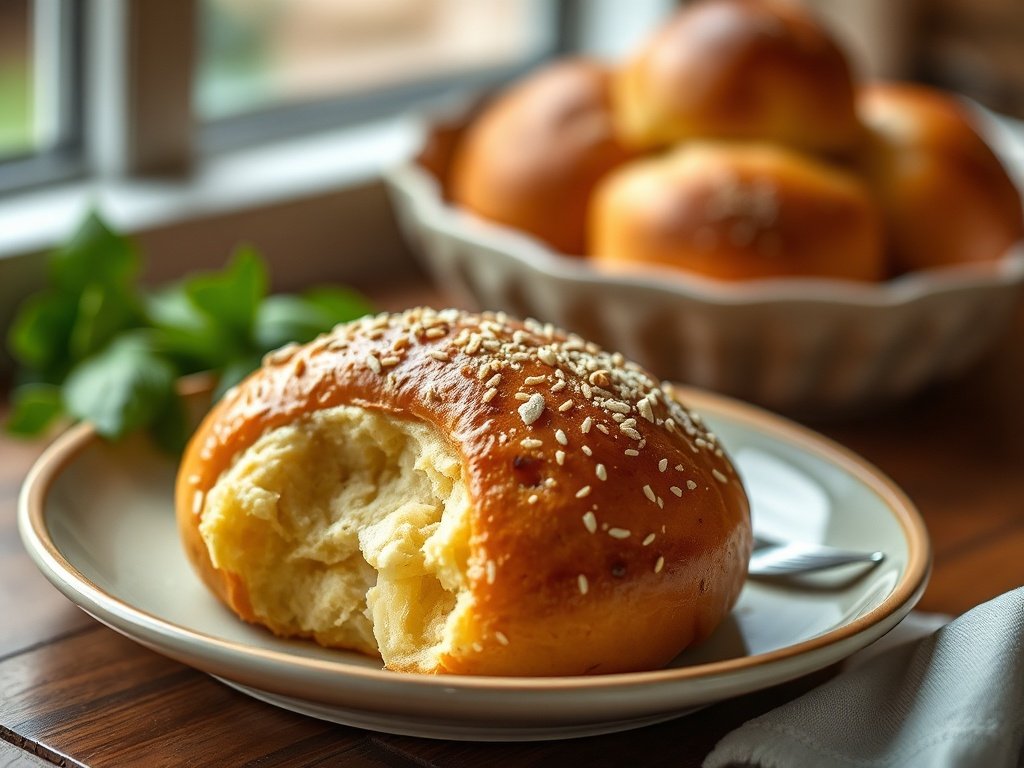
Brioche rolls are a luxurious type of French bread known for their rich, buttery flavor and incredibly soft, fluffy texture. Originating in Normandy, France, brioche has been enjoyed for centuries as an enriched dough made with generous amounts of butter and eggs, which give it a tender crumb and golden crust. Traditionally, this bread was a symbol of indulgence and wealth, often reserved for special occasions, but today it’s beloved worldwide as a versatile bread suitable for everything from sandwiches to festive dinner rolls.
What makes brioche rolls truly special is their unique combination of richness and lightness. Unlike ordinary bread, the high fat content from butter and eggs creates a tender, moist crumb that almost melts in your mouth. The dough also has a subtle sweetness that complements both savory and sweet fillings, making these rolls a perfect choice for burgers, sliders, or simply slathered with butter fresh from the oven.
Despite their gourmet reputation, buttery brioche rolls are surprisingly accessible to home bakers. With a straightforward method involving yeast activation, gradual butter incorporation, and patient proofing, anyone can achieve bakery-quality results. This article will guide you through every step, along with tips and variations to customize your brioche rolls, ensuring your baking efforts yield perfectly soft and golden treats every time.
Nutritional Information
Per serving (approximate values):
- Calories: 200 kcal
- Protein: 5g
- Carbohydrates: 25g
- Fat: 9g
- Fiber: 1g
- Sodium: 180mg
Ingredients
- 3 ½ cups (440g) all-purpose flour or bread flour
- ½ cup (120ml) whole milk, warm
- 3 large eggs, room temperature
- ½ cup (115g) unsalted butter, softened
- 2 ¼ tsp (1 packet) instant yeast
- ¼ cup (50g) granulated sugar
- 1 tsp salt
- 1 egg (for egg wash)
- Optional: pinch of sea salt, herbs, or cheese for topping
Instructions
- Activate the yeast: In a small bowl, combine warm milk (about 100°F/38°C), yeast, and sugar. Stir gently and let sit for 5-10 minutes until frothy and bubbly.
- Mix the dough: In a large mixing bowl or stand mixer, combine flour and salt. Add the eggs and yeast mixture. Mix on low speed with a dough hook until the dough starts to come together, about 3-5 minutes.
- Add the butter: Gradually add softened butter in small pieces, mixing continuously. Knead the dough until smooth, elastic, and glossy, about 10-15 minutes by mixer or 15-20 minutes by hand. The dough will be sticky but should pull away from the sides.
- First rise: Transfer the dough to a lightly greased bowl, cover with plastic wrap or a damp towel, and let rise in a warm, draft-free place until doubled in size, about 1 to 1 ½ hours.
- Shape the rolls: Punch down the dough gently to release air. Divide into 12 equal pieces and shape each into a smooth ball. Arrange them evenly in a greased baking pan or on a lined baking sheet.
- Second rise (proofing): Cover the shaped rolls loosely and let them rise until puffy and nearly doubled, about 45 minutes to 1 hour.
- Prepare for baking: Preheat your oven to 375°F (190°C). Beat the remaining egg and brush it gently over the rolls for a shiny, golden crust. Optionally, sprinkle with sea salt, herbs, or cheese.
- Bake: Place the rolls in the oven and bake for 15-20 minutes or until they are deep golden brown. Rotate the pan halfway through baking for even color.
- Cool and serve: Remove rolls from the oven and transfer to a wire rack to cool slightly before serving. Best enjoyed warm with butter.
Cooking Tips and Variations
- Butter temperature: Use room-temperature butter for easy incorporation. Cold butter will make mixing difficult and affect dough texture.
- Sticky dough: Brioche dough is naturally sticky due to its high fat content; avoid adding too much extra flour to keep rolls soft.
- Kneading: A stand mixer with a dough hook is ideal for developing gluten and achieving elasticity in the dough.
- Proofing environment: Use a warm, draft-free spot for rises. An oven with just the light on is a great proofing environment.
- Flavor variations: Add herbs like rosemary or thyme, grated cheese, or sprinkle coarse sea salt on top before baking for savory twists.
- Sweet variations: Incorporate cinnamon and sugar into the dough or brush rolls with honey butter after baking for a sweet treat.
Storage and Reheating
- Storage: Store cooled brioche rolls in an airtight container or plastic bag at room temperature for up to 3 days.
- Freezing: Freeze baked rolls in a sealed freezer bag for up to one month. Thaw at room temperature when ready to use.
- Reheating: Warm rolls in a 350°F (175°C) oven for 5-10 minutes or microwave briefly wrapped in a damp paper towel to restore softness.
Frequently Asked Questions
Can I use active dry yeast instead of instant yeast?
Yes, you can substitute active dry yeast for instant yeast by dissolving it in warm milk with sugar and letting it proof for 10 minutes before mixing. Adjust rising times as needed since active dry yeast works a bit slower.
Why is my brioche dough so sticky?
Brioche dough is naturally sticky due to the high butter and egg content. Resist adding too much extra flour, which can make the rolls dense. Instead, try lightly oiling your hands when shaping to handle the dough more easily.
Can I make brioche rolls without a stand mixer?
Absolutely. While a stand mixer makes kneading easier, you can knead brioche dough by hand. It requires more time and effort—typically 15-20 minutes—to develop the dough’s elasticity and smooth texture.
What is the best way to get a shiny crust on brioche rolls?
Brushing the rolls with an egg wash before baking creates a glossy, golden crust. For extra shine, add a splash of cream or milk to the beaten egg before brushing.
