Introduction
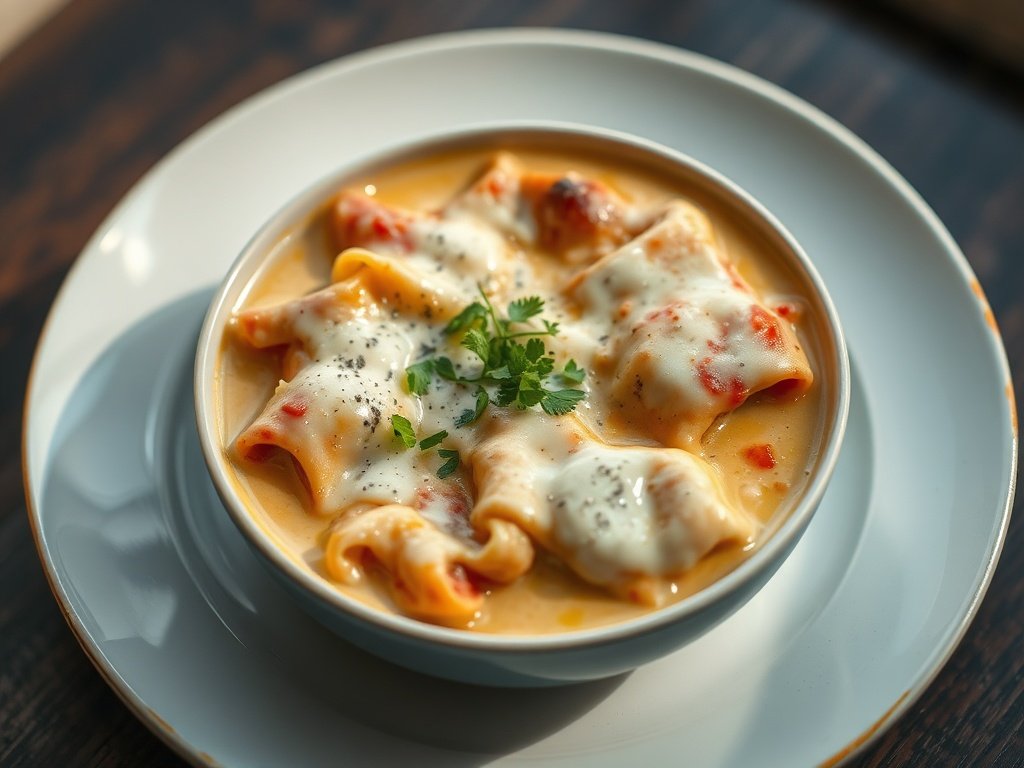
Imagine the comforting, layered indulgence of a classic lasagna, but without all the fuss of assembling and baking. Now, picture the rich, velvety creaminess of your favorite Alfredo sauce. What if you could combine the best of both these culinary worlds into one incredibly satisfying, easy-to-eat bowl? That, my friends, is the magic of Creamy Alfredo Lasagna Soup – a dish that brings together hearty meat, tender pasta, and an abundance of cheesy goodness in a luxurious, spoon-ready format.
This isn’t just a soup; it’s a deconstructed lasagna experience, reimagined for modern weeknights. We’ve taken the robust, savory flavors of a traditional meat sauce and married them with a silken, garlic-infused Alfredo base. The result is a surprisingly quick and simple meal that delivers on every promise of ultimate comfort food. It’s hearty, incredibly satisfying, and destined to become a new family favorite, offering all the joy of lasagna with a fraction of the effort.
Forget the lengthy baking times and intricate layering. Our Creamy Alfredo Lasagna Soup is designed for maximum flavor with minimal cleanup, making it the perfect solution for busy evenings when you crave something truly special. It’s a complete meal in a bowl that’s wonderfully customizable, deeply flavorful, and guaranteed to warm you from the inside out. Get ready to dive into a bowl of pure, creamy, cheesy bliss!
Nutritional Information
Per serving (approximate values, based on 6 generous servings):
- Calories: 900 kcal
- Protein: 55g
- Carbohydrates: 90g
- Fat: 70g
- Fiber: 7g
- Sodium: 1200mg
Ingredients
- 1 tablespoon olive oil
- 1.5 pounds ground beef, ground Italian sausage, or a blend of both
- 1 large yellow onion, finely diced
- 4-5 cloves garlic, minced
- 6 cups unsalted beef broth or chicken broth
- 1 (28 ounce) can crushed tomatoes
- 2 tablespoons tomato paste
- 1 teaspoon dried oregano
- 1 teaspoon dried basil
- 1/2 teaspoon red pepper flakes (optional, for a kick)
- Salt and freshly ground black pepper to taste
- 8-10 lasagna noodles, broken into 2-3 inch pieces
- 1.5 cups heavy cream
- 4 tablespoons unsalted butter
- 1 cup freshly grated Parmesan cheese, plus more for serving
- 1.5 cups shredded mozzarella cheese
- 1/2 cup ricotta cheese, for serving
- Fresh basil leaves, chopped, for garnish
Instructions
- Prepare the Aromatics and Brown the Meat: Begin by heating the olive oil in a large Dutch oven or heavy-bottomed pot over medium-high heat. Add the ground beef and/or Italian sausage to the pot, breaking it up with a spoon. Cook until the meat is thoroughly browned and no pink remains. Once cooked, use a slotted spoon to transfer the meat to a plate, leaving any rendered fat in the pot. If there is an excessive amount of fat, carefully drain off all but 1-2 tablespoons.
- Sauté Vegetables and Deglaze: Add the finely diced onion to the pot with the remaining fat. Sauté for about 5-7 minutes, stirring occasionally, until the onion has softened and become translucent. Next, add the minced garlic and cook for another 1 minute until fragrant, being careful not to burn it. Pour in 1/2 cup of the beef or chicken broth, scraping the bottom of the pot with a wooden spoon to deglaze and release any browned bits of flavor.
- Build the Soup Base: Return the browned meat to the pot. Stir in the crushed tomatoes, tomato paste, dried oregano, dried basil, and red pepper flakes (if using). Pour in the remaining 5.5 cups of broth. Bring the mixture to a gentle simmer, then reduce the heat to low, cover, and let it simmer for at least 15-20 minutes to allow the flavors to meld and deepen. Season generously with salt and freshly ground black pepper to your taste.
- Cook the Lasagna Noodles: Increase the heat to medium-low and add the broken lasagna noodles directly into the simmering soup base. Stir well to ensure the noodles are fully submerged and don’t stick together. Cook for 10-12 minutes, or according to package directions for al dente, stirring occasionally to prevent sticking. The pasta will absorb some of the liquid and swell. If the soup becomes too thick during this stage, you can add a splash more broth or water until it reaches your desired consistency.
- Prepare the Alfredo Component: While the pasta is cooking, you can prepare the Alfredo sauce in a separate small saucepan or bowl. In a small saucepan, melt the 4 tablespoons of unsalted butter over medium-low heat. Add 1 minced clove of garlic (from the initial amount, or use an extra if you love garlic) and cook for 30 seconds until fragrant. Pour in the 1.5 cups of heavy cream and bring it to a gentle simmer. Do not boil. Remove from heat and gradually whisk in the 1 cup of freshly grated Parmesan cheese until it is completely melted and the sauce is smooth and creamy. Season with a pinch of salt and pepper.
- Combine and Finish the Soup: Once the lasagna noodles are al dente, remove the soup from the heat. Gently stir the prepared Alfredo component into the soup base until thoroughly combined. The soup will transform into a rich, creamy, and wonderfully luxurious texture. Next, stir in the 1.5 cups of shredded mozzarella cheese until it melts into gooey strands throughout the soup.
- Serve and Garnish: Ladle the hot Creamy Alfredo Lasagna Soup into individual bowls. For an extra touch of decadence and authentic lasagna flavor, place a generous dollop of ricotta cheese in the center of each serving. Garnish with a sprinkle of fresh chopped basil leaves and an additional dusting of freshly grated Parmesan cheese. A swirl of good quality olive oil or a pinch of red pepper flakes can also be added for extra flavor and visual appeal. Serve immediately and enjoy!
Cooking Tips and Variations
Achieving the perfect Creamy Alfredo Lasagna Soup is all about understanding a few key principles and feeling free to experiment. Here are some tips to ensure your soup is a showstopper every time, along with creative variations to keep things exciting:
- Perfect Pasta Pointers: When cooking the lasagna noodles directly in the soup, vigilance is key. Stir frequently to prevent the noodles from clumping together or sticking to the bottom of the pot. Cook them only until al dente; remember they will continue to soften slightly even after the heat is off. If you prefer a firmer noodle or are worried about overcooking, you can cook the noodles separately in boiling salted water until al dente, then drain and add them to the soup just before stirring in the cream and cheese. This method also helps prevent the pasta from absorbing too much liquid from the soup. Always keep extra broth or water handy to adjust the soup’s consistency as the pasta absorbs liquid.
- Maximize Creaminess: For that truly luxurious, velvety Alfredo texture, full-fat heavy cream is non-negotiable. Avoid using half-and-half or milk, as they can curdle more easily and won’t provide the same richness. To prevent curdling, especially if you plan to simmer the soup for an extended period, it’s best to prepare the Alfredo base separately and stir it into the soup towards the very end of cooking, after the pasta is done and just before serving. This gentle integration ensures the cream maintains its smooth consistency.
- The Cheese Factor: The quality of your cheese significantly impacts the final flavor. Freshly grated Parmesan cheese (ideally Parmigiano-Reggiano) offers a superior, nuttier, and more complex flavor compared to pre-shredded varieties, which often contain anti-caking agents that can affect texture. Similarly, a good quality shredded mozzarella will melt beautifully and add the perfect gooey stretch. Don’t skip the ricotta dollops; they provide pockets of creamy, tangy contrast that truly complete the lasagna experience.
- Meat Options Galore: While a blend of ground beef and Italian sausage provides incredible depth, feel free to customize. Ground turkey or chicken can be used for a lighter option, though they may require a bit more seasoning to compensate for less inherent flavor. For a vegetarian version, omit the meat entirely and increase the amount of vegetables like mushrooms, zucchini, or bell peppers, or add a can of drained and rinsed lentils for a hearty plant-based protein boost.
- Vegetable Boost: This soup is an excellent canvas for sneaking in extra vegetables. Stir in a few handfuls of fresh spinach or chopped kale during the last 5 minutes of cooking until wilted. Diced carrots, celery, or mushrooms can be added along with the onions and garlic to build more layers of flavor and nutrition.
- Spice It Up: If you enjoy a bit of heat, a generous pinch of red pepper flakes (or even a few dashes of your favorite hot sauce) can add a wonderful kick that complements the richness of the Alfredo. Adjust the amount to your personal preference.
- Make Ahead Magic: The savory soup base (meat, aromatics, tomatoes, broth, and seasonings) can be prepared a day or two in advance and stored in the refrigerator. This allows the flavors to deepen even further. When ready to serve, simply reheat the base, then add the broken lasagna noodles and cook until al dente. Prepare and stir in the heavy cream and cheeses just before serving to maintain optimal texture and prevent the pasta from becoming mushy.
Storage and Reheating
Proper storage and reheating are crucial to enjoying your Creamy Alfredo Lasagna Soup for days to come. This soup makes fantastic leftovers, though a few considerations will help you maintain its deliciousness.
- Serving Suggestions: This hearty soup is a complete meal on its own, but it pairs beautifully with a few simple accompaniments. A crusty loaf of garlic bread is perfect for soaking up every last drop of the creamy broth, while a light, crisp green salad with a tangy vinaigrette offers a refreshing contrast to the richness of the soup.
- Garnish for Perfection: Don’t underestimate the power of a good garnish! Fresh basil leaves, roughly chopped or torn, add a burst of vibrant color and fresh herbaceousness. A generous sprinkle of extra freshly grated Parmesan cheese enhances the cheesy flavor, and a delicate swirl of high-quality extra virgin olive oil can add a lovely sheen and depth. For those who like a little heat, a final pinch of red pepper flakes is always welcome.
- Storing Leftovers: Any leftover Creamy Alfredo Lasagna Soup should be transferred to an airtight container and stored in the refrigerator. It will keep well for 3-4 days. It’s important to note that as the soup sits, the pasta will continue to absorb liquid, making the soup thicker. This is a natural process and doesn’t affect the flavor.
- Reheating Instructions: When reheating, gently warm the soup on the stovetop over low to medium heat, stirring frequently. If the soup has become too thick (which it likely will due to pasta absorption), you can add a splash of extra broth, milk, or even a bit more heavy cream to thin it back to your desired consistency. Avoid boiling the soup vigorously, especially after cream has been added, to prevent curdling. You can also reheat individual portions in the microwave, stirring halfway through, until heated through.
- Freezing Not Recommended: Unfortunately, Creamy Alfredo Lasagna Soup is not ideal for freezing. The dairy components (heavy cream, ricotta, mozzarella) can separate and become grainy upon thawing and reheating, and the pasta tends to become mushy and lose its desirable texture. For best results, enjoy this soup fresh or within a few days of making it. If you wish to meal prep, consider freezing only the meat and tomato base *before* adding the pasta, cream, and cheeses. You can then add those fresh when you’re ready to cook.
Frequently Asked Questions
Can I make this Creamy Alfredo Lasagna Soup vegetarian?
Absolutely! Making this soup vegetarian is very simple. You can omit the ground beef and Italian sausage entirely. To add substance and protein, we recommend substituting with hearty vegetables like sliced mushrooms, diced zucchini, bell peppers, or even a can of drained and rinsed lentils. Sauté these vegetables with the onion and garlic, then proceed with the recipe as directed, using vegetable broth instead of beef or chicken broth. You’ll still achieve a rich, flavorful, and satisfying soup.
What if my soup is too thick or too thin? How can I adjust the consistency?
The consistency of your soup can easily be adjusted. If your soup is too thick, which often happens as the pasta absorbs liquid, simply stir in additional beef or vegetable broth, milk, or even a splash of heavy cream, a little at a time, until it reaches your desired consistency. If your soup turns out too thin for your liking, you can let it simmer gently for a few more minutes (without the pasta, if possible, to prevent overcooking) to allow some of the liquid to evaporate. Alternatively, you can create a slurry by mixing a tablespoon of cornstarch with an equal amount of cold water, then slowly whisking it into the simmering soup until it thickens. Remember, the pasta will continue to absorb liquid, so err on the side of slightly thinner if you plan on having leftovers.
Can I use a different type of pasta instead of broken lasagna noodles?
Yes, you certainly can! While broken lasagna noodles give this soup its authentic “lasagna” feel, other sturdy pasta shapes work wonderfully too. Excellent alternatives include mafalda (mini lasagna noodles), rigatoni, rotini, penne, or even large shell pasta. The key is to choose a pasta that can stand up to the hearty soup base and won’t get lost in the creamy sauce. Just be sure to adjust the cooking time according to the package directions for your chosen pasta, ensuring it’s cooked until al dente.
How can I prevent the pasta from getting mushy in the soup?
Preventing mushy pasta is a common concern in soup recipes, especially when cooking noodles directly in the broth. The best way to avoid this is to cook the lasagna noodles only until they are al dente, meaning they are firm to the bite but still cooked through. They will continue to soften slightly even after the heat is removed. Also, make sure to add the pasta towards the end of the cooking process, giving it just enough time to cook. If you anticipate having a lot of leftovers or want to prepare the soup in advance, consider cooking the pasta separately and adding it to individual bowls just before serving. This ensures perfect pasta texture every time.
