Introduction
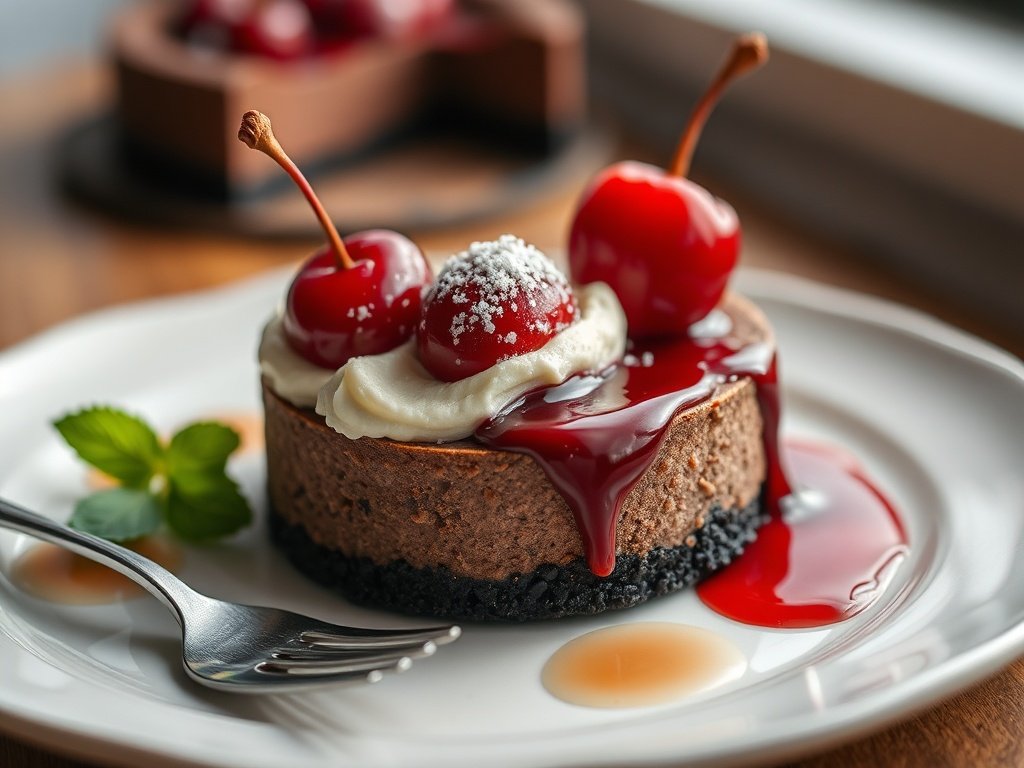
Imagine a dessert that commands attention with its rich, dark allure, then captivates with a vibrant burst of ruby-red fruit. That, my friends, is the magic of the Chocolate and Cherry Cheesecake – a symphony of textures and flavors designed to dazzle the senses. From the moment you slice into its pristine surface, you’re greeted by a luxurious aroma of cocoa and sweet vanilla, hinting at the creamy dream within. Each forkful delivers a harmonious blend of velvety smooth cheesecake, a satisfyingly crisp chocolate crust, and the bright, tart tang of perfectly cooked cherries, all culminating in an experience that is nothing short of pure indulgence. This isn’t just a dessert; it’s a statement, a showstopper that promises to elevate any gathering or transform an ordinary evening into something truly special.
The irresistible pairing of deep, bittersweet chocolate and bright, juicy cherries is a classic for a reason. It’s a culinary duet that dates back centuries, finding its iconic expression in the beloved Black Forest desserts, where the tartness of the cherries beautifully cuts through the richness of the chocolate, creating a balanced and sophisticated profile. Our journey into this decadent delight begins with a nod to cheesecake’s ancient roots; this humble yet magnificent dessert was served to athletes during the Olympic Games in ancient Greece, long before the modern cream cheese-based version we adore today originated in New York in the early 20th century. This recipe marries that timeless history with a contemporary twist, offering a sophisticated take on a cherished comfort.
In this article, we’ll guide you through crafting a Chocolate and Cherry Cheesecake that will become your go-to recipe for celebrations and sophisticated treats alike. You’ll discover the secrets to a perfectly baked, crack-free cheesecake, from preparing a robust chocolate crust to achieving an unbelievably smooth and creamy chocolate filling. We’ll then elevate it further with a luscious homemade cherry topping and a delicate chocolate drizzle, ensuring every component contributes to an unforgettable dessert experience. Get ready to gather your ingredients and embark on a delicious adventure that promises a taste of pure indulgence.
Nutritional Information
Per serving (approximate values for 14 servings):
- Calories: 470 kcal
- Protein: 7.5g
- Carbohydrates: 50g
- Fat: 28g
- Fiber: 1.7g
- Sodium: 350mg
Ingredients
For the Crust:
- 1 ½ cups (about 180g) graham cracker crumbs (or chocolate wafer crumbs for extra chocolate intensity)
- 6 tablespoons (85g) unsalted butter, melted
- 2 tablespoons (25g) granulated sugar
- Pinch of salt
For the Chocolate Cheesecake Filling:
- 3 (8-ounce) blocks (680g) full-fat cream cheese, softened to room temperature
- 1 ½ cups (300g) granulated sugar
- ½ cup (50g) Dutch-processed cocoa powder
- ½ cup (120g) sour cream or heavy cream, at room temperature
- 1 teaspoon vanilla extract
- 3 large eggs, at room temperature
For the Cherry Topping:
- 3 cups (about 450g) fresh or frozen pitted cherries
- ½ cup (100g) granulated sugar
- 1 tablespoon fresh lemon juice
- 2 teaspoons cornstarch
- 2 tablespoons cold water (for slurry)
For the Garnish:
- 2 ounces (60g) dark chocolate (60-70% cacao), for ganache or shavings
- 2 tablespoons heavy cream (for ganache, if desired)
- Fresh cherries, for decoration
- Optional: Fresh mint leaves, for decoration
Instructions
Preparation:
- Preheat your oven to 325°F (160°C).
- Prepare a 9-inch springform pan: Lightly grease the bottom and sides. Cut a circle of parchment paper to fit the bottom of the pan and place it inside. Wrap the outside of the springform pan tightly with several layers of heavy-duty aluminum foil to prevent water from seeping in during the water bath.
Making the Crust:
- In a medium bowl, combine the graham cracker crumbs (or chocolate wafer crumbs), melted butter, granulated sugar, and a pinch of salt. Mix until thoroughly combined and the crumbs are moistened.
- Press the mixture evenly and firmly into the bottom of the prepared springform pan. Use the bottom of a flat glass or measuring cup to compact it well.
- Bake the crust for 8-10 minutes, or until lightly fragrant. This helps set the crust and prevents it from getting soggy. Remove from the oven and let it cool completely on a wire rack while you prepare the filling.
Making the Chocolate Cheesecake Filling:
- In the bowl of an electric mixer fitted with the paddle attachment (or using a hand-held mixer), beat the room temperature cream cheese on medium-low speed until it is completely smooth and creamy, with no lumps, about 2-3 minutes. Scrape down the sides of the bowl as needed.
- Gradually add the 1 ½ cups of granulated sugar to the cream cheese, beating on low speed until just combined and smooth.
- Add the Dutch-processed cocoa powder, sour cream (or heavy cream), and vanilla extract. Beat on low speed until fully incorporated, scraping down the bowl to ensure everything is mixed evenly. Dutch-processed cocoa powder is recommended as it gives a darker color and a mellower, less acidic chocolate flavor to the cheesecake.
- Add the eggs one at a time, beating on very low speed *just until combined* after each addition. It is crucial not to overmix the batter once the eggs are added, as overmixing can incorporate too much air, leading to cracks in the cheesecake.
- Pour the creamy chocolate cheesecake batter over the cooled crust in the springform pan. Gently tap the pan on the counter a few times to release any large air bubbles.
Baking the Cheesecake (with a Water Bath):
- Place the foil-wrapped springform pan into a larger roasting pan.
- Carefully pour hot water into the roasting pan, ensuring it comes about halfway up the sides of the springform pan. The water bath (bain-marie) is your friend; it creates a moist, even cooking environment, preventing the cheesecake from cracking and ensuring a silky-smooth texture.
- Carefully transfer the roasting pan with the cheesecake to the preheated oven.
- Bake for 55-70 minutes, or until the edges are set and slightly puffed, but the center still has a slight jiggle when gently shaken.
- Once baked, turn off the oven, prop the oven door open slightly (you can use a wooden spoon), and allow the cheesecake to cool gradually in the oven for 1 hour. This slow cooling process helps prevent temperature shock, which can cause cracks.
- Remove the cheesecake from the water bath and the roasting pan. Place it on a wire rack to cool completely at room temperature for at least 2-3 hours.
- Once fully cooled, cover the cheesecake loosely with plastic wrap and refrigerate for at least 6-8 hours, ideally overnight. Chilling time is crucial for the cheesecake to set properly and for the flavors to fully develop.
Making the Cherry Topping:
- In a medium saucepan, combine the pitted cherries, ½ cup granulated sugar, and lemon juice.
- Bring the mixture to a simmer over medium heat, stirring occasionally. Cook for about 8-10 minutes, or until the cherries have softened and released their juices.
- In a small bowl, whisk together the cornstarch and cold water to create a slurry.
- Pour the cornstarch slurry into the simmering cherry mixture, whisking constantly. Continue to cook and stir for 1-2 minutes, or until the topping has thickened to your desired consistency.
- Remove the cherry topping from the heat and let it cool completely to room temperature before using. It will thicken further as it cools.
Garnishing the Cheesecake:
- Once the cheesecake is thoroughly chilled, carefully remove the springform pan sides.
- If making a simple chocolate ganache drizzle: Finely chop the 2 ounces of dark chocolate and place it in a small heatproof bowl. Heat the 2 tablespoons of heavy cream in a microwave or small saucepan until just simmering. Pour the hot cream over the chocolate and let it sit for 2-3 minutes, then whisk until smooth and glossy.
- Drizzle the cooled chocolate ganache artistically over the top of the chilled cheesecake, or create chocolate shavings by scraping a bar of chocolate with a vegetable peeler.
- Spoon the cooled cherry topping generously over the center of the cheesecake, leaving a border if desired.
- Decorate with fresh cherries and optional fresh mint leaves for a beautiful presentation.
Cooking Tips and Variations
Expert Tips for a Perfect Cheesecake:
- Room Temperature Ingredients: Always ensure your cream cheese, eggs, and sour cream are at room temperature. This is the single most important tip for achieving a smooth, lump-free batter and preventing overmixing. Cold ingredients will not incorporate smoothly, leading to lumps and a dense texture.
- Do Not Overmix: This cannot be stressed enough. Overmixing incorporates too much air into the batter, which expands during baking and then collapses, causing cracks. Beat cream cheese until smooth, then add other ingredients on low speed, mixing *just until combined*.
- The Water Bath is Your Friend: A water bath provides a humid, even cooking environment, which helps the cheesecake bake gently and prevents the surface from drying out and cracking. It also contributes to that signature silky texture.
- Gradual Cooling: Avoid sudden temperature changes. Cooling the cheesecake slowly in the oven with the door ajar, then at room temperature, and finally in the refrigerator, is crucial for preventing cracks caused by rapid contraction.
- Chilling Time is Non-Negotiable: Allow at least 6-8 hours, or ideally overnight, for the cheesecake to chill thoroughly. This allows the cheesecake to set completely, firm up, and for the flavors to meld and deepen. It makes a significant difference in both texture and taste.
- Preventing Cracks Summary: Use room temperature ingredients, do not overmix, bake in a water bath, and cool gradually.
- Clean Slices: For picture-perfect slices, dip a sharp, thin-bladed knife in hot water and wipe it clean between each cut. This will ensure smooth, clean edges.
Delicious Variations to Try:
- Crust Variations: For an ultra-chocolatey base, use crushed Oreo cookies (filling included) instead of graham crackers. You can also add a teaspoon of instant espresso powder to the crust for a deeper flavor.
- Cherry Alternatives: While classic cherries are wonderful, feel free to experiment with other fruits. A mixed berry compote, raspberry coulis, or even a spiced pear topping could be delightful.
- Chocolate Intensity: Adjust the percentage of dark chocolate in your ganache or shavings to suit your preference for bitterness. For an extra chocolatey cheesecake, fold in ½ cup of mini chocolate chips into the batter before baking.
- No-Bake Option: If you’re short on time or prefer not to bake, consider a no-bake chocolate cheesecake recipe for the filling. While the texture will differ, it can be a quicker alternative.
- Liqueur Infusion: Add a tablespoon of kirsch (cherry brandy) or Grand Marnier to the cherry topping for an adult twist and enhanced flavor.
Storage and Reheating
Cheesecake is an excellent make-ahead dessert, making it perfect for entertaining. Once fully chilled, the Chocolate and Cherry Cheesecake can be stored in an airtight container in the refrigerator for up to 4-5 days. Ensure it’s well-covered to prevent it from absorbing any odors from other foods in the fridge and to maintain its moisture. For longer storage, you can freeze individual slices or the entire cheesecake (without the cherry topping, which is best added fresh) for up to 1-2 months. Wrap slices tightly in plastic wrap, then in aluminum foil, or place the whole cheesecake in a freezer-safe container. Thaw frozen cheesecake in the refrigerator overnight before serving. Cheesecake is typically served chilled and does not require reheating.
Frequently Asked Questions
Why did my cheesecake crack?
Cracks are a common frustration for cheesecake bakers, but they are usually preventable! The main culprits are sudden temperature changes and overmixing. Ensure all your ingredients are at room temperature, mix the batter on low speed just until combined (especially after adding eggs), use a water bath during baking, and allow the cheesecake to cool very gradually in the oven before transferring it to the counter and then the refrigerator. Following these steps will significantly reduce the chances of cracks.
My cheesecake is lumpy; what went wrong?
Lumps in cheesecake batter almost always indicate that your cream cheese was not sufficiently softened to room temperature before you started mixing. Cold cream cheese will resist blending smoothly, leading to a lumpy texture even after prolonged beating. Always allow your cream cheese to sit out for at least 1-2 hours (or gently warm it in its wrapper in a bowl of warm water for 10-15 minutes) until it’s very soft before you begin.
How do I know when my cheesecake is done baking?
A perfectly baked cheesecake will have edges that appear set and slightly puffed, but the center (a circle about 2-3 inches in diameter) will still have a slight jiggle when you gently shake the pan. It should not look liquidy, but rather like a firm custard. The residual heat will continue to cook the center as it cools. An internal temperature of 150-155°F (65-68°C) is also a good indicator of doneness.
Can I make this cheesecake without a water bath?
While it is possible to bake a cheesecake without a water bath, it significantly increases the risk of cracks and can result in a drier, less creamy texture. The water bath provides consistent, gentle heat and humidity, which are essential for a smooth, crack-free, and luxurious cheesecake. If you absolutely must skip it, consider placing a pan of hot water on the bottom rack of your oven to create some humidity, but be aware that results may vary.
