Introduction
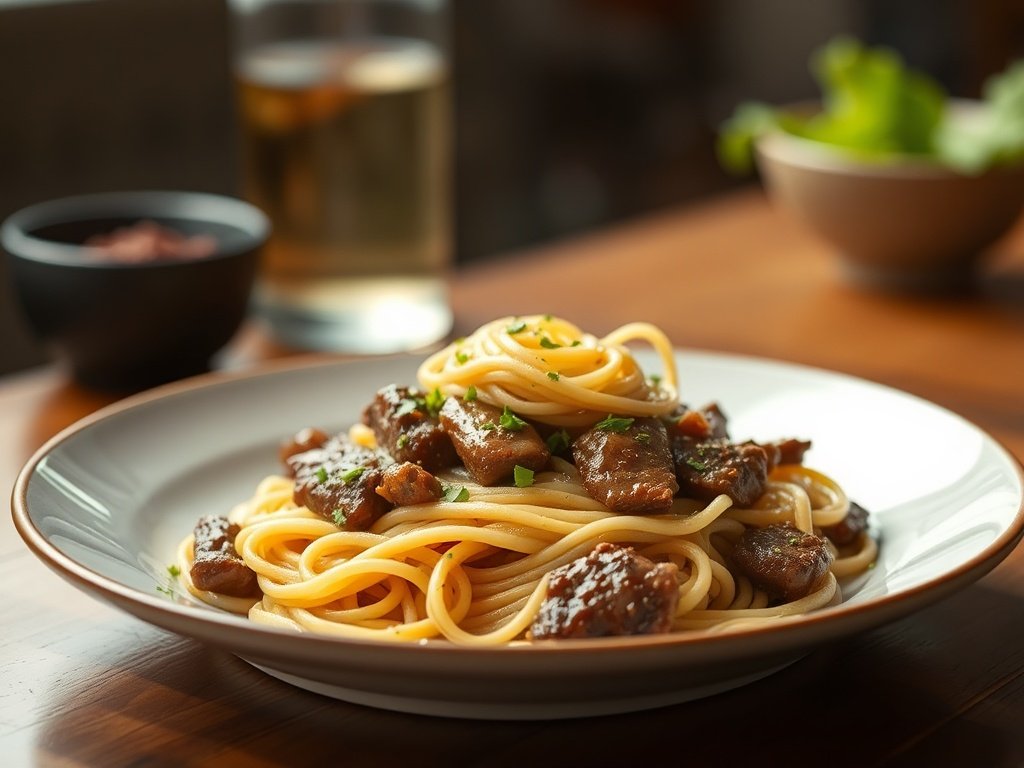
Imagine a dish that wraps you in a warm embrace, a culinary masterpiece that speaks to the soul with every savory bite. That’s precisely what awaits you with our French Onion Beef and Noodles. This isn’t just another weeknight meal; it’s an experience, a brilliant fusion where the profound, umami-rich depth of classic French Onion Soup meets the tender succulence of slow-braised beef and the comforting chew of hearty egg noodles. It’s the ultimate comfort food, elevated to a sophisticated new level, promising to become a cherished staple in your recipe repertoire.
What makes this dish truly special is its unparalleled depth of flavor. We start with a generous bounty of patiently caramelized onions, transforming them into a sweet, earthy foundation that is the very heart of French Onion Soup. This rich base then marries with fork-tender beef, slowly braised in a luxurious broth infused with red wine, fresh thyme, and bay leaf. The result is a deeply savory, slightly sweet, and utterly satisfying sauce that clings perfectly to wide egg noodles, all crowned with a blanket of bubbly, melted Gruyère cheese. It’s hearty, satisfying, and perfect for chasing away the chill of an evening, a sophisticated twist on everyday comfort food that’s surprisingly simple to execute for a show-stopping meal.
The inspiration for this dish comes from a desire to combine the very best elements of two beloved culinary traditions. We’ve taken the quintessential components of French Onion Soup – those deeply caramelized onions, the robust beef broth, a splash of wine, and the iconic Gruyère topping – and woven them into the comforting tapestry of a deconstructed beef stroganoff or a hearty beef and pasta bake. It’s a dish born from the idea that familiar flavors can be reimagined to create something entirely new and incredibly exciting. Prepare to fall in love with your new favorite comfort food fusion.
Nutritional Information
Per serving (approximate values, based on 6 servings):
- Calories: 720 kcal
- Protein: 55g
- Carbohydrates: 60g
- Fat: 30g
- Fiber: 7g
- Sodium: 980mg
Ingredients
- 2 tablespoons olive oil, divided
- 2 pounds boneless beef chuck roast, trimmed and cut into 1.5-inch cubes
- 1 teaspoon kosher salt, plus more to taste
- 0.5 teaspoon freshly ground black pepper, plus more to taste
- 0.25 cup all-purpose flour
- 4 tablespoons unsalted butter, divided
- 4 large yellow or sweet onions (about 3 pounds), thinly sliced
- 1 teaspoon granulated sugar (optional, to aid caramelization)
- 4 cloves garlic, minced
- 1 cup dry red wine (e.g., Merlot, Cabernet Sauvignon) or dry sherry
- 4 cups good quality beef broth, low sodium preferred
- 1 tablespoon Worcestershire sauce
- 1 teaspoon fresh thyme leaves, chopped, plus more for garnish
- 1 bay leaf
- 12 ounces wide egg noodles or pappardelle
- 1.5 cups shredded Gruyère cheese
- 2 tablespoons chopped fresh parsley, for garnish (optional)
- 2 tablespoons crème fraîche or sour cream, for finishing (optional)
- 1 teaspoon Dijon mustard (optional, for added depth)
Instructions
- Prepare the Beef: Pat the beef cubes dry with paper towels. Season generously with 1 teaspoon kosher salt and 0.5 teaspoon black pepper. Place the flour in a shallow dish, then dredge the beef cubes in the flour, shaking off any excess. This light coating will help create a beautiful crust and thicken our sauce later.
- Sear the Beef: Heat 1 tablespoon of olive oil in a heavy-bottomed Dutch oven or large oven-safe pot over medium-high heat. Working in batches to avoid overcrowding, add the floured beef cubes and sear them on all sides until deeply browned and caramelized, about 3-4 minutes per side. Remove the seared beef to a plate and set aside. Repeat with the remaining beef, adding a little more olive oil if needed.
- Caramelize the Onions: Reduce the heat to medium-low. Add the remaining 1 tablespoon of olive oil and 2 tablespoons of unsalted butter to the same Dutch oven. Add the thinly sliced onions and a pinch of salt. Stir well to coat the onions. Cook, stirring occasionally, for 15-20 minutes until the onions have softened considerably. If using, add the optional 1 teaspoon of granulated sugar to aid in the caramelization process. Continue to cook, stirring more frequently as they deepen in color, for another 25-35 minutes, or until the onions are deeply golden brown and sticky-sweet. This step is crucial for the signature French onion flavor, so be patient and do not rush it.
- Build the Flavor Base: Once the onions are beautifully caramelized, add the minced garlic and cook for 1 minute until fragrant. If using, stir in the optional 1 teaspoon of Dijon mustard now. Pour in the dry red wine (or sherry) and scrape the bottom of the pot with a wooden spoon to deglaze, loosening any browned bits of flavor. Let the wine simmer for 2-3 minutes until it has mostly evaporated.
- Simmer the Braise: Return the seared beef to the Dutch oven. Pour in the beef broth and Worcestershire sauce. Add the fresh thyme leaves and bay leaf. Bring the mixture to a gentle simmer, then cover the Dutch oven with a lid.
- Braise the Beef: You have two options for braising:
- Stovetop: Reduce the heat to low and simmer gently for 2 to 2.5 hours, or until the beef is fork-tender. Stir occasionally to prevent sticking.
- Oven: Transfer the covered Dutch oven to a preheated oven at 325°F (160°C) and bake for 2 to 2.5 hours, or until the beef is fork-tender.
Once the beef is tender, remove the bay leaf and discard it. Taste the sauce and adjust seasoning with salt and pepper as needed.
- Cook the Noodles: While the beef is braising, bring a large pot of salted water to a rolling boil. Add the wide egg noodles and cook according to package directions until al dente. Drain well.
- Combine and Finish: Add the cooked and drained egg noodles directly to the Dutch oven with the braised beef and sauce. Stir gently to combine, ensuring the noodles are well coated. If the sauce seems too thick, you can add a splash of hot beef broth or water to reach your desired consistency. If it’s too thin, you can simmer it uncovered for a few minutes to reduce.
- Add Cheese and Serve: Stir in the remaining 2 tablespoons of unsalted butter until melted. Divide the French Onion Beef and Noodles among serving bowls. Generously sprinkle each serving with shredded Gruyère cheese. For an extra touch, you can place the bowls under a broiler for 1-2 minutes until the cheese is melted and bubbly, taking care not to burn it. Garnish with fresh parsley and a dollop of crème fraîche or sour cream, if desired. Serve immediately and enjoy the rich, comforting flavors!
Cooking Tips and Variations
Achieving the perfect French Onion Beef and Noodles lies in understanding a few key principles. First and foremost, the caramelization of the onions is non-negotiable. This step cannot be rushed. Low and slow heat, with patience, will transform humble onions into sweet, deeply savory flavor bombs that are the heart of this dish. Don’t be afraid to let them get very dark brown, almost mahogany, but not burnt. Stirring occasionally and scraping the bottom of the pot will prevent sticking and ensure even caramelization. A pinch of sugar can indeed help kickstart the browning process, but time is the real secret ingredient here.
Another crucial tip is to properly sear your beef. A good, dark crust on the beef cubes adds immense depth and complexity to the final sauce through the Maillard reaction. Don’t overcrowd the pot; work in batches to ensure the beef truly sears rather than steams. Deglazing with red wine after searing and after caramelizing the onions is also key. This action lifts all those flavorful browned bits from the bottom of the pot, incorporating them back into your sauce, building layers of richness.
For variations, feel free to experiment with the type of beef. While chuck roast is ideal for its rich marbling and tenderness when braised, you could also use beef short ribs (cut off the bone) or even a tougher cut like round steak, though cooking times may vary. If you’re not a fan of Gruyère, Swiss cheese or even a sharp white cheddar could be substituted, though Gruyère provides that classic nutty, slightly pungent French onion soup flavor. To add more vegetables, consider sautéing sliced mushrooms with the onions or stirring in some frozen peas or green beans during the last 15 minutes of braising. For a gluten-free version, simply use a gluten-free all-purpose flour for dredging the beef and ensure your beef broth is certified gluten-free. You can also swap out traditional egg noodles for gluten-free pasta or even serve the beef and sauce over mashed potatoes or polenta for a different textural experience.
Storage and Reheating
This French Onion Beef and Noodles dish is fantastic for meal prepping or enjoying as leftovers, as the flavors often deepen overnight. To store, allow the dish to cool completely to room temperature. Transfer it to an airtight container and refrigerate for up to 3-4 days. The noodles will absorb more of the sauce over time, so you might find the dish a bit thicker upon reheating.
For longer storage, this dish freezes beautifully. Once cooled, transfer the beef and noodles to freezer-safe containers or heavy-duty freezer bags, ensuring as much air is removed as possible to prevent freezer burn. It can be frozen for up to 2-3 months. Thaw overnight in the refrigerator before reheating.
To reheat, for individual portions, the microwave works well: heat on high for 2-3 minutes, stirring halfway through, until thoroughly warmed. For larger quantities, transfer the dish to a Dutch oven or large pot on the stovetop over medium-low heat. Add a splash of beef broth or water to loosen the sauce, stirring occasionally until heated through. Alternatively, you can reheat in a covered oven-safe dish at 300°F (150°C) for 20-30 minutes, or until hot, again adding a bit of liquid if needed to maintain moisture. If reheating from frozen, it’s best to thaw first for even heating.
Frequently Asked Questions
Can I make this dish ahead of time?
Absolutely! This French Onion Beef and Noodles is an excellent make-ahead meal. The flavors actually deepen and meld beautifully overnight, making it even more delicious the next day. You can prepare the entire dish, including combining the beef and noodles, and store it in the refrigerator. When ready to serve, simply reheat gently on the stovetop or in the oven, adding a splash of broth if the sauce has thickened too much.
What kind of wine should I use for braising?
For braising, a dry red wine like Merlot, Cabernet Sauvignon, or Pinot Noir works wonderfully. The key is “dry,” meaning not sweet. Choose a wine you would enjoy drinking, as its flavor will concentrate in the sauce. If you prefer not to use alcohol, or don’t have wine on hand, dry sherry is an excellent non-alcoholic alternative that still provides a similar depth of flavor. In a pinch, you can also use additional beef broth, but the wine truly adds a layer of complexity that’s hard to replicate.
How do I achieve perfectly caramelized onions without burning them?
The secret to perfectly caramelized onions is patience and low heat. Start with a medium-low heat and give them plenty of time, usually 45-60 minutes, stirring occasionally at first, then more frequently as they begin to brown. Don’t overcrowd the pan; if you have too many onions, they’ll steam instead of caramelize. A pinch of sugar can help, but the key is allowing the natural sugars in the onions to slowly break down and brown. If you notice them sticking or browning too quickly, add a tablespoon of water or broth to deglaze and slow down the process, scraping up any browned bits from the bottom of the pot.
Can I use a different type of cheese than Gruyère?
While Gruyère cheese is traditional for French Onion Soup and provides a unique nutty, savory flavor that pairs perfectly with this dish, you can certainly experiment with other cheeses. Good alternatives include Emmental, Swiss cheese, or even a sharp white cheddar for a different flavor profile. For an extra indulgent touch, a blend of Gruyère and Parmesan or Fontina could also be delicious. Just be sure to choose a cheese that melts well and complements the rich beef and onion flavors.
