Introduction
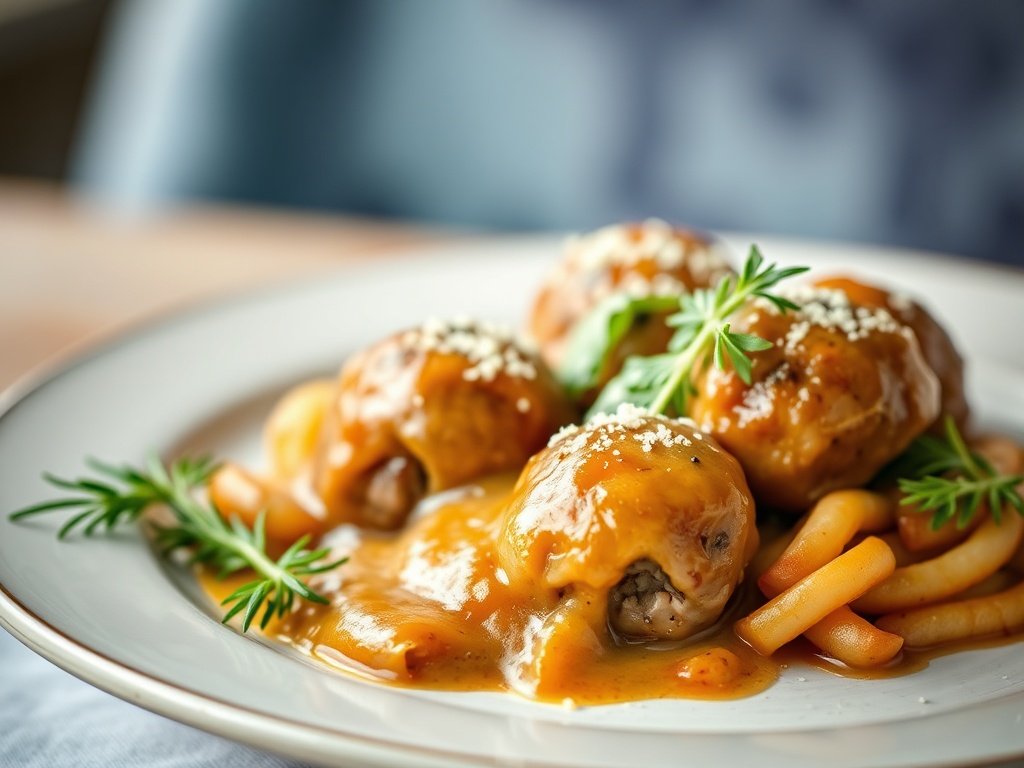
Swedish meatballs, or köttbullar, are a cherished cornerstone of Swedish cuisine, transcending their humble origins to become a globally recognized comfort food. These bite-sized delights are traditionally served with creamy gravy, lingonberry jam, and a side of mashed potatoes or egg noodles, embodying the essence of Scandinavian home cooking. What sets Swedish meatballs apart from their Italian or American cousins is their delicate blend of ground beef and pork, the subtle warmth of allspice and nutmeg, and the use of a panade—breadcrumbs soaked in milk or cream—which ensures a remarkably tender texture.
Beyond their culinary appeal, Swedish meatballs hold a special place in Swedish culture, often gracing family dinner tables, holiday feasts, and even the iconic IKEA cafeteria. Their popularity abroad can be attributed to their comforting simplicity, versatility, and the harmonious balance of savory, sweet, and creamy flavors. Whether served as a casual weeknight meal or a festive party appetizer, Swedish meatballs offer a taste of tradition that is both accessible and deeply satisfying.
What truly defines Swedish meatballs is their attention to detail: the gentle mixing of ingredients to avoid toughness, the careful browning for a golden crust, and the rich, velvety gravy that ties everything together. These elements, combined with the ritual of serving them with tart lingonberry jam, create a dining experience that is as memorable as it is delicious.
Nutritional Information
Per serving (approximate values):
- Calories: 420
- Protein: 30g
- Carbohydrates: 16g
- Fat: 26g
- Fiber: 1g
- Sodium: 712mg
Ingredients
- For the Meatballs:
- 2/3 pound ground beef (80% lean)
- 1/3 pound ground pork
- 2 slices day-old white bread, crumbled
- 1/2 cup heavy cream or milk
- 1 small onion, finely minced
- 1 egg
- 1 tablespoon brown sugar
- 1 teaspoon salt
- 1/4 teaspoon ground black pepper (preferably white)
- 1/4 teaspoon ground allspice
- 1/4 teaspoon ground nutmeg
- 1/8 teaspoon ground ginger
- 1/4 cup beef stock or bone broth
- 1 tablespoon butter, for cooking
- For the Gravy:
- 2 tablespoons meatball pan drippings
- 2 tablespoons all-purpose flour
- 2 cups beef stock or bone broth
- 4 ounces sour cream
- Salt and pepper, to taste
- For Serving (optional):
- Mashed potatoes or egg noodles
- Lingonberry jam
- Pressed cucumber salad
- Fresh parsley, chopped
Instructions
- Prepare the panade: In a small bowl, combine the crumbled bread and heavy cream (or milk). Let soak for 5–10 minutes until the bread is soft and the mixture is paste-like.
- Sauté the onion: Melt 1 teaspoon of butter in a small skillet over medium heat. Add the minced onion and cook until softened and translucent, about 3–4 minutes. Remove from heat and let cool slightly.
- Mix the meatball ingredients: In a large bowl, combine the ground beef, ground pork, soaked bread mixture, sautéed onion, egg, brown sugar, salt, pepper, allspice, nutmeg, and ginger. Gently mix with your hands just until ingredients are evenly distributed—do not overmix.
- Shape the meatballs: Using damp hands or a small scoop, form the mixture into 1-inch balls. Place on a tray or plate.
- Brown the meatballs: Heat the remaining butter in a large skillet over medium heat. Working in batches to avoid overcrowding, brown the meatballs on all sides, about 2–3 minutes per batch. Transfer browned meatballs to a baking dish.
- Bake the meatballs: Pour beef stock over the meatballs in the baking dish. Cover with foil and bake in a preheated 375°F (190°C) oven for 15–20 minutes, or until cooked through.
- Make the gravy: Drain most of the fat from the skillet, leaving about 2 tablespoons of drippings. Sprinkle flour over the drippings and whisk to form a roux. Cook for 1–2 minutes until lightly golden. Gradually whisk in beef stock, scraping up any browned bits. Simmer until thickened, about 3–5 minutes. Remove from heat and stir in sour cream. Season with salt and pepper to taste.
- Combine and serve: Pour the gravy over the meatballs, tossing gently to coat. Garnish with chopped parsley and serve hot with mashed potatoes, egg noodles, lingonberry jam, and pressed cucumber.
Cooking Tips and Variations
- For tender meatballs: Soak the breadcrumbs thoroughly and avoid overmixing the meat mixture—this keeps the texture light and juicy.
- Uniform size matters: Use a cookie scoop or kitchen scale to ensure even cooking. Smaller meatballs (about 1 inch) cook faster and more evenly.
- Browning is key: Brown the meatballs in batches to prevent steaming and achieve a caramelized crust. Don’t rush this step—it builds flavor for both the meatballs and the gravy.
- Seasoning check: Cook a small patty first to taste for seasoning before shaping all the meatballs.
- Make ahead: The meatball mixture can be prepared a day in advance and chilled for easier handling.
- Vegetarian option: Substitute the meat with a blend of mushrooms, lentils, or plant-based crumbles. Use vegetable broth and dairy-free cream for the gravy.
- Gluten-free: Use gluten-free breadcrumbs and a gluten-free flour blend for the gravy.
- Dairy-free: Substitute milk or cream with unsweetened almond or oat milk, and use a dairy-free sour cream alternative.
- Spice variations: Adjust the amount of allspice and nutmeg to taste, or add a pinch of cardamom for a Swedish-American twist.
- Serving ideas: Beyond the classic sides, try serving Swedish meatballs as appetizers on toothpicks, over rice, or with roasted root vegetables.
Storage and Reheating
Cooked Swedish meatballs and gravy can be stored in an airtight container in the refrigerator for up to 3 days. To reheat, gently warm them in a skillet over low heat, adding a splash of broth or cream to loosen the gravy if needed. For longer storage, freeze cooked meatballs and gravy separately in freezer-safe containers for up to 3 months. Thaw overnight in the refrigerator before reheating. To maintain texture, avoid microwaving directly from frozen—thaw first, then reheat gently on the stovetop.
Frequently Asked Questions
Can I bake Swedish meatballs instead of frying them?
Yes, baking is a convenient alternative to pan-frying. Arrange the shaped meatballs on a parchment-lined baking sheet and bake at 400°F (200°C) for 15–20 minutes, turning once, until browned and cooked through. While baking is easier, pan-frying delivers a deeper color and richer flavor to the gravy.
What can I use instead of lingonberry jam?
If lingonberry jam is unavailable, cranberry sauce or red currant jelly make good substitutes. The tartness balances the richness of the meatballs and gravy.
Why is a panade important in Swedish meatballs?
The panade—bread soaked in milk or cream—acts as a binder and keeps the meatballs moist and tender. Without it, the meatballs can become dense and dry.
Can I make Swedish meatballs ahead of time?
Absolutely. The meatball mixture can be prepared a day in advance and refrigerated. You can also freeze uncooked meatballs on a tray, then transfer to a bag once frozen. Cook directly from frozen, adding a few extra minutes to the cooking time.
