Introduction
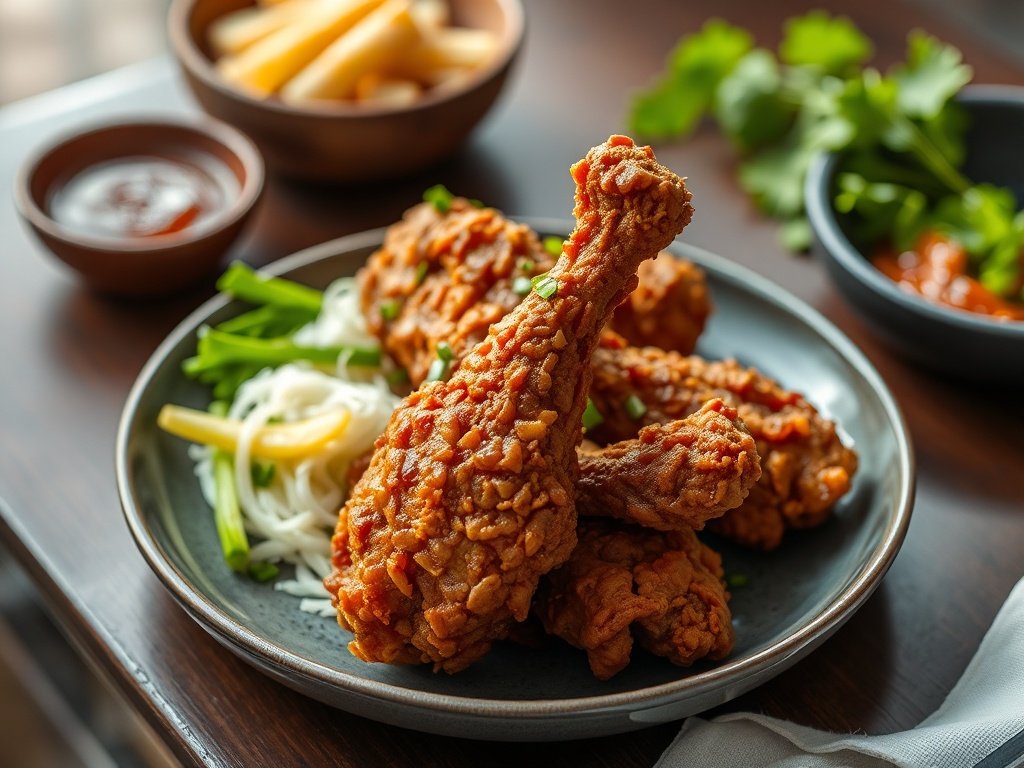
Fried chicken gizzards are a cherished staple of Southern comfort food, celebrated for their rich flavor and unique texture—tender and chewy on the inside, with a satisfyingly crunchy, golden crust on the outside. While gizzards might be unfamiliar to some, they are a favorite among those who appreciate offal and crave hearty, rustic dishes. The secret to their appeal lies in the careful preparation: a long, slow simmer to break down their natural toughness, followed by a seasoned coating and a quick, hot fry to achieve that irresistible crispness.
What sets fried chicken gizzards apart is their versatility. They can be served as a snack, an appetizer, or even a main course, often accompanied by a tangy dipping sauce or a drizzle of hot sauce. The process of simmering the gizzards before frying not only tenderizes them but also infuses them with flavor, especially when the simmering liquid is seasoned with herbs and spices. The double-dredging technique—dipping in flour, then egg wash, then flour again—ensures a thick, craggy crust that stays crisp even as the interior remains juicy. This dish is a testament to the ingenuity of Southern cooking, transforming a humble ingredient into something truly memorable.
Whether you grew up eating fried gizzards at family gatherings or are discovering them for the first time, this recipe offers a delicious way to explore a classic Southern tradition. With a few simple steps and a bit of patience, you can create a dish that’s crispy, flavorful, and deeply satisfying—a true celebration of texture and taste.
Nutritional Information
Per serving (approximate values):
- Calories: 360-400
- Protein: 30g
- Carbohydrates: 20g
- Fat: 18g
- Fiber: 1g
- Sodium: 800mg
Note: Values can vary based on the amount of oil absorbed during frying and specific ingredient choices.
Ingredients
- 1 ½ pounds chicken gizzards, cleaned and trimmed
- 2 cups buttermilk (or 1 cup milk plus 2 tablespoons)
- 2 teaspoons hot sauce (optional)
- 1 ¼ cups all-purpose flour (or self-rising flour)
- ¼ cup cornstarch (optional, for extra crunch)
- 2 teaspoons salt (or seasoned salt)
- 1 teaspoon black pepper
- 1 teaspoon paprika (smoked or regular)
- ¾ teaspoon garlic powder
- ¾ teaspoon onion powder
- ½ teaspoon cayenne pepper
- ¼ teaspoon ground sage (optional)
- 2 eggs
- Vegetable, canola, or peanut oil for frying
Instructions
- Clean the chicken gizzards thoroughly, removing any excess fat, gristle, or membranes. Rinse under cold water and pat dry.
- Place the gizzards in a large pot and cover with water or chicken broth. Add a bay leaf, a few sprigs of thyme, or a splash of vinegar if desired for extra flavor. Bring to a simmer and cook for 1 to 1 ½ hours, or until the gizzards are tender. Drain and let cool.
- While the gizzards cool, prepare the marinade by combining buttermilk and hot sauce in a large bowl or resealable bag. Add the cooled gizzards, ensuring they are fully submerged, and marinate in the refrigerator for 2–3 hours (or up to overnight for maximum tenderness).
- In a separate bowl, whisk together flour, cornstarch (if using), salt, pepper, paprika, garlic powder, onion powder, cayenne, and sage. In another bowl, beat the eggs with 2 tablespoons of buttermilk or milk.
- Remove the gizzards from the marinade, letting excess liquid drip off. Dredge each piece in the seasoned flour mixture, then dip into the egg wash, and finally coat again in the flour mixture. Place the coated gizzards on a wire rack or parchment-lined tray and let them rest in the refrigerator for 15–20 minutes to help the coating set.
- Heat 2–3 inches of oil in a heavy pot or deep fryer to 350°F–375°F. Carefully add the gizzards in small batches, being careful not to overcrowd the pot. Fry for 3–6 minutes, turning occasionally, until golden brown and crispy.
- Use a slotted spoon to transfer the fried gizzards to a wire rack or paper towel-lined plate to drain excess oil. Serve immediately while hot.
Cooking Tips and Variations
- For extra tenderness: Soak the gizzards in buttermilk (with a dash of hot sauce) for several hours or overnight before cooking. This not only tenderizes but also mellows any strong flavors.
- For a crispier crust: Use self-rising flour or add a pinch of baking powder to your flour mixture. Cornstarch can also be added for extra crunch.
- Seasoning variations: Experiment with Cajun or Creole seasoning blends, add a touch of thyme or celery seed, or try different types of paprika (smoked, sweet, or hot) for regional flair.
- Oil temperature: Maintain the oil between 350°F and 375°F for optimal frying. Use a thermometer to monitor and adjust heat as needed.
- Dredging hack: Use a ziplock bag for coating the gizzards in flour—it’s less messy and ensures even coverage.
- Simmering liquid: Save the flavorful broth from simmering the gizzards to use in soups, gravies, or rice dishes.
- Cleaning tip: Rinse gizzards with a bit of lime juice or salt water before cooking to reduce any off-odors and improve taste.
- Serving ideas: Serve with hot sauce, ranch dressing, or a spicy aioli for dipping. Pair with pickles, coleslaw, or cornbread for a complete Southern meal.
Storage and Reheating
Leftover fried chicken gizzards can be stored in an airtight container in the refrigerator for up to 3 days. To reheat, place them on a wire rack set over a baking sheet and warm in a 350°F oven for 10–15 minutes, or until heated through and crispy. Avoid microwaving, as this can make the coating soggy. For longer storage, freeze the cooked gizzards in a single layer on a baking sheet, then transfer to a freezer bag. Reheat from frozen in the oven until hot and crisp.
Frequently Asked Questions
Are chicken gizzards healthy?
Chicken gizzards are a good source of protein and iron, but they are also relatively high in cholesterol. When fried, they absorb some oil, increasing the calorie and fat content. Enjoy them in moderation as part of a balanced diet.
Why do you simmer gizzards before frying?
Simmering gizzards for an extended period breaks down their tough connective tissue, resulting in a tender bite. Skipping this step will leave the gizzards unpleasantly chewy, no matter how long you fry them.
Can I use something besides buttermilk?
Yes, regular milk works as a substitute, though buttermilk’s acidity helps tenderize the meat and adds a subtle tang. For a dairy-free option, try using pickle juice or a mixture of water and vinegar.
How do I know when the gizzards are done frying?
The gizzards are done when they are golden brown and crispy on the outside, usually after 3–6 minutes in hot oil. They should float to the surface, and the internal temperature should reach at least 165°F if you want to check with a thermometer.
