Introduction
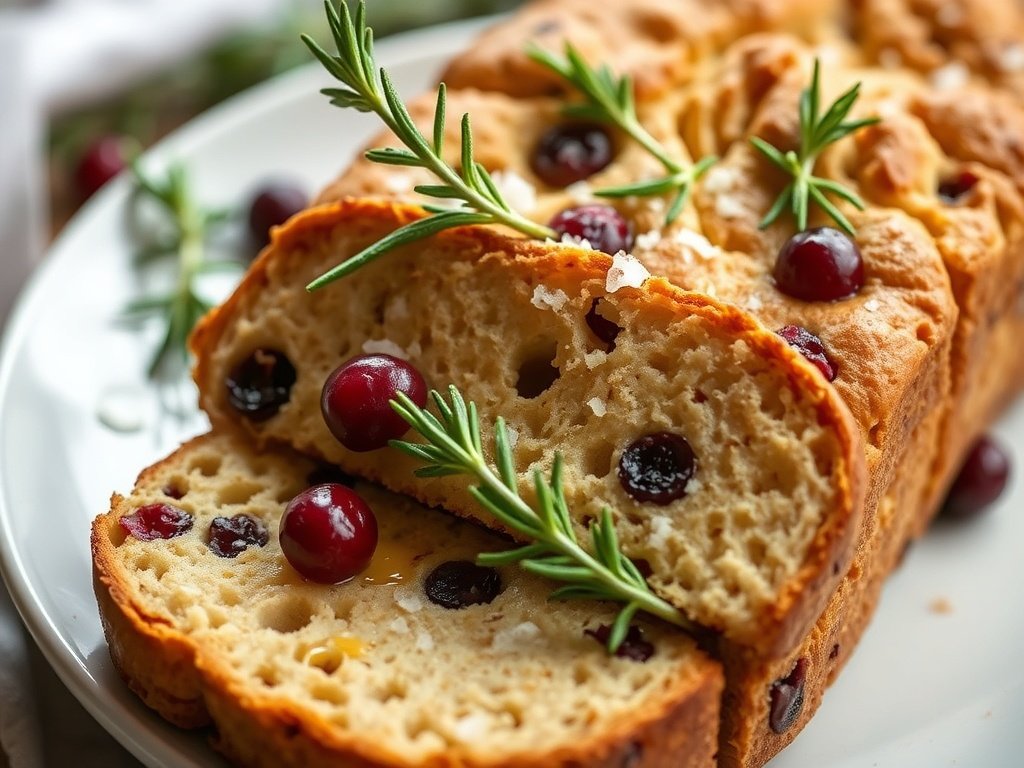
The first waft of warm, rosemary-scented air from the oven is a herald of something truly special: a golden, crusty loaf studded with jewel-like cranberries, glistening with olive oil, and kissed with flaky sea salt. This No-Knead Rosemary Cranberry Bread is a celebration of rustic simplicity and holiday cheer, designed for maximum flavor with minimal effort. As the dough slowly ferments overnight, it develops a complex, slightly tangy profile and an open, chewy crumb, while the no-knead method ensures even novice bakers can achieve bakery-quality results. The addition of fresh rosemary and tart cranberries not only makes this bread visually striking but also delivers a festive flavor that bridges sweet and savory—a true crowd-pleaser for holiday tables, cheese boards, or cozy winter evenings.
What sets this bread apart is its effortless elegance. There’s no need for a stand mixer, no marathon kneading sessions, and no finicky shaping techniques. The magic happens while you sleep, as the dough quietly bubbles and expands, developing gluten and flavor through slow fermentation. The result is a loaf with a crisp, crackling crust and a tender, airy interior—each slice revealing bursts of tart cranberry and fragrant rosemary. A final drizzle of quality olive oil and a sprinkle of coarse sea salt just after baking elevates every bite, adding a luxurious, savory finish. Whether you’re hosting a holiday gathering or simply craving a slice of homemade comfort, this bread promises to impress with its aroma, texture, and taste—proof that the best things in life (and baking) are often the simplest.
Nutritional Information
Per serving (approximate values):
- Calories: 180
- Protein: 4g
- Carbohydrates: 35g
- Fat: 3g
- Fiber: 2g
- Sodium: 300mg
Ingredients
- 3 cups (420g) all-purpose flour (or bread flour for extra chew)
- 1 1/2 teaspoons fine sea salt
- 1/4 teaspoon active dry yeast
- 1 1/3 cups + 2 tablespoons (350ml) room-temperature water
- 2 tablespoons extra-virgin olive oil (plus more for finishing)
- 2 tablespoons fresh rosemary, finely chopped (or 2 teaspoons dried)
- 3/4 cup dried cranberries
- 1 teaspoon flaky sea salt (for finishing)
Instructions
- In a large mixing bowl, whisk together the flour, salt, yeast, and chopped rosemary.
- Add the water and 2 tablespoons olive oil. Stir with a wooden spoon or your hands until a shaggy, sticky dough forms. There should be no dry spots—adjust with a teaspoon more water or flour if needed, but err on the side of wetter dough.
- Gently fold in the dried cranberries, distributing them evenly throughout the dough.
- Cover the bowl tightly with plastic wrap or a damp kitchen towel. Let the dough rest at room temperature (ideally 70–75°F/21–24°C) for 12–18 hours. The dough should become bubbly and roughly doubled in size.
- When ready to bake, place a Dutch oven (with lid) in your oven and preheat to 450°F (230°C) for at least 30 minutes.
- While the oven heats, lightly flour a work surface. Turn the dough out (it will be sticky—use wet or floured hands) and gently shape into a round by folding the edges underneath. Let rest, covered, for 30 minutes.
- Carefully remove the hot Dutch oven from the oven. If desired, line it with parchment paper for easy removal. Transfer the dough into the pot, seam side down.
- Cover with the lid and bake for 30 minutes. Remove the lid and continue baking for another 15–20 minutes, until the crust is deeply golden and the internal temperature reaches 205–210°F (96–99°C).
- Transfer the bread to a wire rack. While still warm, brush the top generously with olive oil and sprinkle with flaky sea salt. Let cool for at least 20 minutes before slicing.
Cooking Tips and Variations
- Preheat Your Pot: For the crispiest crust, always start with a preheated Dutch oven or heavy lidded pot.
- Yeast Check: Ensure your yeast is fresh and active. If your dough doesn’t rise, your yeast may be old.
- Dough Hydration: A wet, sticky dough yields a more open crumb. Resist the urge to add too much flour during shaping.
- Flour Options: Substitute up to half the flour with whole wheat or rye for a heartier loaf. Note that whole grain flours absorb more water, so you may need to adjust hydration.
- Herb Swaps: Replace rosemary with thyme, sage, or a mix of your favorite herbs.
- Fruit & Nut Variations: Swap cranberries for raisins, cherries, or chopped apricots. Add toasted walnuts or pecans for extra crunch.
- Make-Ahead: The dough can be refrigerated after the initial rise for up to 24 hours before shaping and baking.
- Finishing Touch: For extra shine and flavor, brush the loaf with additional olive oil and sprinkle with flaky salt as soon as it comes out of the oven.
Storage and Reheating
This bread is best enjoyed the day it’s baked, when the crust is at its crispiest and the crumb is still tender. To store, wrap the cooled loaf tightly in aluminum foil or place it in a bread box at room temperature for up to 2 days. For longer storage, slice and freeze in an airtight bag for up to 1 month. To revive, reheat slices in a 350°F (175°C) oven for 5–10 minutes, or toast until warm and crisp. Avoid refrigerating, as this will dry out the bread.
Frequently Asked Questions
Can I use instant yeast instead of active dry yeast?
Yes, you can substitute instant yeast in equal amounts. The dough may rise slightly faster, so keep an eye on it during the initial fermentation.
Why is my dough so sticky and hard to handle?
A sticky, wet dough is normal for no-knead bread and is key to achieving an open, airy crumb. Use wet or floured hands when shaping, and don’t overwork the dough—gentle folds are all that’s needed.
Can I make this bread without a Dutch oven?
While a Dutch oven creates the ideal steamy environment for a crisp crust, you can bake the bread on a preheated baking stone or sheet pan. For steam, place a pan of boiling water on the oven floor during the first part of baking.
How can I tell when the bread is fully baked?
The loaf should sound hollow when tapped on the bottom, and the internal temperature should register 205–210°F (96–99°C) on an instant-read thermometer. The crust should be deep golden brown.
