Introduction
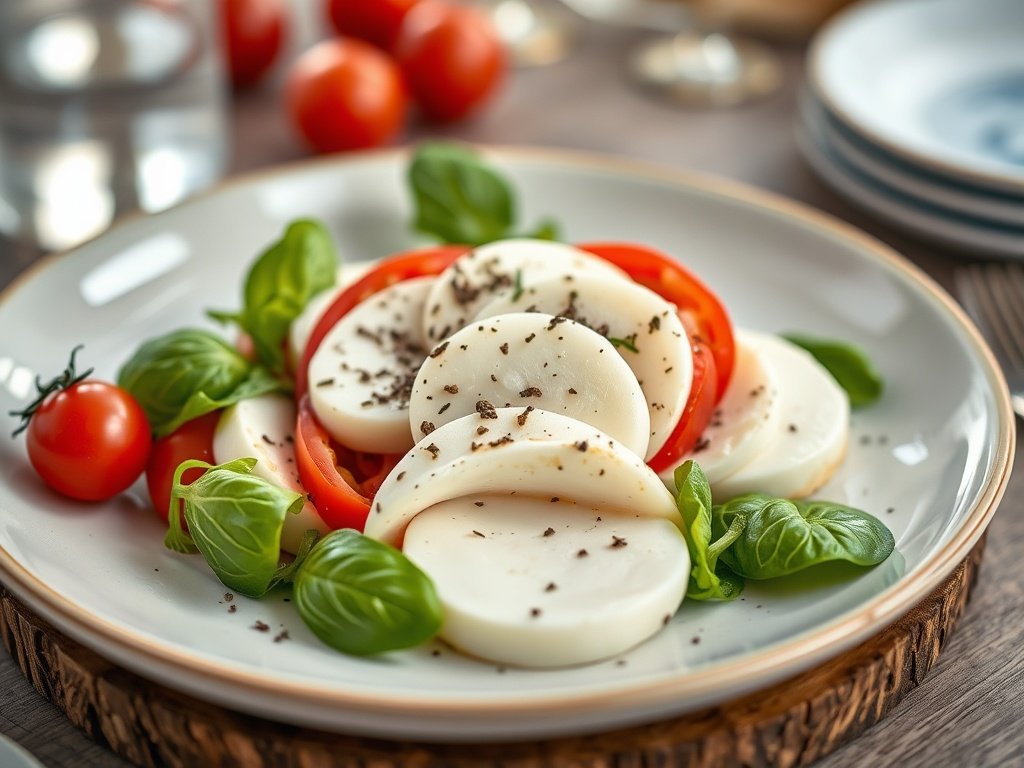
The Classic Caprese Salad is a timeless Italian dish celebrated for its vibrant simplicity and fresh ingredients. Originating from the picturesque island of Capri, this salad embodies the essence of Italian summer cuisine with its colorful, wholesome components. Its straightforward composition of ripe tomatoes, creamy mozzarella, fragrant basil, and a drizzle of olive oil captures both the eye and the palate with minimal effort.
Caprese salad’s popularity stems from its perfect balance of flavors and its symbolic connection to Italy, as the red, white, and green colors represent the Italian flag. Often enjoyed as an antipasto, this salad is a refreshing and light choice that highlights the quality of its ingredients rather than complex preparation. Its appeal lies in its ability to deliver a burst of summer freshness in every bite, making it a beloved dish worldwide, especially during the warm months when tomatoes reach their peak flavor.
What makes Caprese salad truly special is its celebration of simplicity. It is less about elaborate cooking techniques and more about choosing the best ingredients and allowing them to shine together. This salad is a tribute to Italian culinary tradition, where quality, seasonality, and respect for natural flavors are paramount.
Nutritional Information
Per serving (approximate values):
- Calories: 250 kcal
- Protein: 12 g
- Carbohydrates: 6 g
- Fat: 18 g
- Fiber: 1.5 g
- Sodium: 200 mg
Ingredients
- 3 large fresh heirloom or vine-ripened tomatoes, sliced
- 8 oz fresh mozzarella cheese, sliced
- 1 cup fresh basil leaves
- 3 tablespoons extra-virgin olive oil
- 1 tablespoon balsamic glaze (store-bought or homemade)
- Sea salt, to taste
- Freshly ground black pepper, to taste
Instructions
- Start by gently washing the tomatoes and basil leaves. Pat them dry with paper towels to reduce moisture, which helps prevent a watery salad.
- Slice the tomatoes into even, approximately 1/4-inch thick rounds. Slice the fresh mozzarella to a similar thickness for a balanced presentation and texture.
- On a large platter, alternate slices of tomato and mozzarella, slightly overlapping them in a circular or linear pattern.
- Tuck fresh basil leaves between the slices evenly across the salad to distribute the herbaceous flavor.
- Season the arranged salad lightly with sea salt and freshly ground black pepper to enhance the natural flavors.
- Drizzle the salad with extra-virgin olive oil, ensuring a light, even coating over all the ingredients.
- Finish by adding a generous drizzle of balsamic glaze to introduce a subtle sweetness and acidity that complements the salad beautifully.
- Serve immediately for the freshest taste, or keep the salad chilled and add the olive oil, balsamic glaze, salt, and pepper just before serving to maintain maximum freshness.
Cooking Tips and Variations
- For the best flavor, use tomatoes and basil at their seasonal peak, typically mid to late summer.
- To make your own balsamic glaze, simmer balsamic vinegar over low heat until it reduces by half and thickens to a syrupy consistency.
- Try using cherry tomatoes for a bite-sized variation that works well as an appetizer or party snack.
- Add dried oregano or a pinch of crushed red pepper flakes for an extra layer of flavor.
- Serve the salad alongside crusty Italian bread or as a light main course paired with grilled chicken or seafood.
Storage and Reheating
Caprese salad is best enjoyed fresh due to the delicate nature of its ingredients. If you need to prepare it ahead of time, keep the tomato and mozzarella slices separated from the dressing. Store them in an airtight container in the refrigerator for up to 24 hours.
Assemble the salad and add the olive oil, balsamic glaze, salt, and pepper just before serving to keep the flavors vibrant and the texture intact. Because this salad is served cold and fresh, reheating is not recommended.
Frequently Asked Questions
What type of mozzarella is best for Caprese salad?
Fresh mozzarella packed in water is ideal for Caprese salad because it is soft, moist, and mild in flavor, which complements the tomatoes and basil perfectly.
Can I use other types of tomatoes besides heirloom?
Yes, vine-ripened tomatoes or high-quality cherry tomatoes can be used as alternatives. The key is to use ripe, flavorful tomatoes to maintain the salad’s freshness and taste.
Is balsamic glaze necessary for Caprese salad?
Balsamic glaze is not essential but adds a sweet and tangy dimension that enhances the salad. Traditional recipes often use just olive oil and salt, but many modern versions include the glaze for extra flavor complexity.
Can Caprese salad be made vegan?
To make a vegan version, substitute fresh mozzarella with plant-based cheese alternatives that have a similar texture and mild taste, and ensure the balsamic glaze and olive oil are vegan-friendly.
